FREE SHIPPING ON ORDERS ABOVE £40 WITH ROYAL MAIL TRACKED 48
30 DAY FREE RETURNS AND EXCHANGES
NEXT DAY DELIVERY CUT-OFF TIME IS 1 PM (13:00) MON- FRI ONLY
10% OFF for Nutranexus Products Use code OTC2U10
Vitamin D3 Tablets / Capsules In Stock!

Page 2 - Blog

  1. Sunshine on Hold: Why Vitamin D3 Matters in Winter and How to Get Enough

    Sunshine on Hold: Why Vitamin D3 Matters in Winter and How to Get Enough

    As the days grow shorter and the sun hides behind layers of clouds, a familiar foe creeps in: winter. While we may love cozy nights and festive cheer, our bodies face a hidden challenge - vitamin D deficiency. Nicknamed the "sunshine vitamin," vitamin D3 plays a crucial role in bone health, muscle function, and even immune response. But with limited sun exposure in winter, many of us fall short of this essential nutrient.

    Why Vitamin D3 Matters in Winter

    Vitamin D3, unlike other vitamins, is primarily synthesized in our skin upon exposure to UVB rays from the sun. Unfortunately, during winter months, several factors conspire against our natural D3 production:

    • Weaker Sun: The sun's angle is lower in winter, leading to less UVB reaching the Earth's surface.

    • Shorter Days: We spend less time outdoors, further limiting sun exposure.

    • Cloud Cover: Even on sunny days, clouds can significantly block UVB rays.

    The NHS Weighs In Vitamin D3 Supplementation Recommendations

    Recognizing the widespread risk of deficiency, the National Health Service (NHS) in the UK recommends vitamin D3 supplementation for various groups during winter:

    • Everyone: Consider taking a daily 10 microgram (400 IU) supplement from October to March.

    • High-risk groups: All children aged 1-4, pregnant and breastfeeding women, and people with certain medical conditions should take supplements year-round.

    Beyond Supplementation: Maximize Your Winter D3 Intake

    While supplements are a vital tool, maximizing natural D3 intake is always preferred. Here are some tips:

    • Catch some rays: Even on cloudy days, spend 15-20 minutes outdoors midday, exposing your face, arms, and hands (without sunscreen) to UVB rays.

    • Dine D3-licious: Include D3-rich foods like oily fish (salmon, tuna), egg yolks, and fortified dairy products in your diet.

    • Consider UV lamps: Consult your doctor about using safe, regulated UV lamps to boost your D3 levels.

    Remember: Consult your doctor before starting any new supplement, especially if you have pre-existing medical conditions or are taking medications. Embrace the Winter with a Sunny D3 Dose

    By understanding the importance of vitamin D3 in winter and following the NHS recommendations, you can ensure your body has the tools it needs to thrive during the colder months. So, grab your coat, soak up some winter sunshine (safely!), and don't forget your daily D3 dose. Your bones, muscles, and immune system will thank you!

    Bonus Tip:

    If you're unsure about your vitamin D3 levels, a simple blood test can provide valuable insights. Talk to your doctor about getting tested, especially if you experience symptoms like fatigue, bone pain, or frequent infections.

    By taking these steps, you can turn winter into a season of health and well-being, powered by the sunshine vitamin!

    Stay Warm, Stay Healthy, Stay D3-ful!
    Read more »
  2. Demystifying Water-soluble Vs Fat-soluble Vitamins Food Supplements

    Demystifying Water-soluble Vs Fat-soluble Vitamins Food Supplements

    In the world of nutrition, vitamins and minerals play a crucial role in maintaining overall health and well-being. These essential micronutrients are involved in various bodily functions, from regulating metabolism to supporting immune function. While a balanced diet can provide most of the vitamins and minerals we need, certain individuals may require additional support through food supplements. However, it's important to understand the difference between fat-soluble and water-soluble vitamins to ensure proper intake and absorption.

    What is Fat-Soluble Vitamins?
     
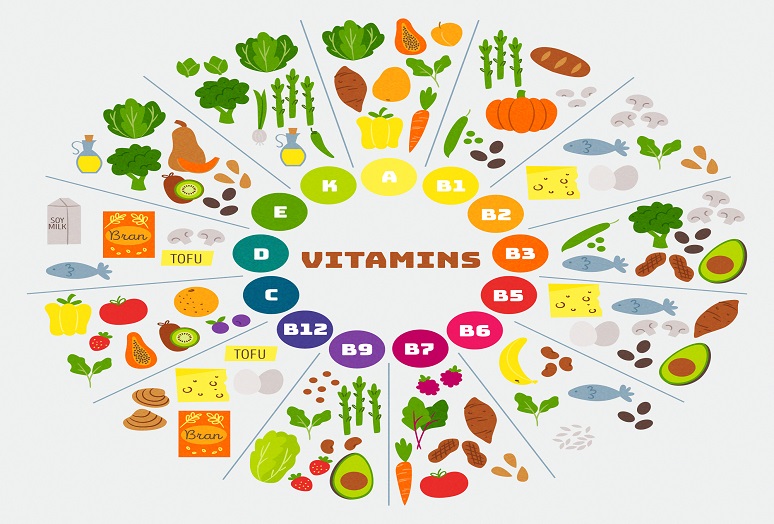
    Fat-soluble vitamins, as the name suggests, dissolve in fats and oils. They include vitamins A, D, E, and K. These vitamins are stored in the body's fatty tissues and in the liver, making them more concentrated than water-soluble vitamins. This storage capacity allows the body to utilize these vitamins for a longer period, sometimes for months. However, it also means that excessive intake can lead to toxicity.
     
    What is Water-Soluble Vitamins?

    Water-soluble vitamins, on the other hand, dissolve in water. They include vitamins B and C. These vitamins are not stored in the body in significant amounts and are typically excreted through urine. As a result, they need to be replenished regularly through diet or supplements.

    Understanding Absorption and Deficiencies of Fat-soluble Vitamins

    Absorption of fat-soluble vitamins

    The absorption of fat-soluble vitamins occurs in the small intestine, aided by bile produced by the liver. These vitamins are then transported to the liver and incorporated into various body tissues. Water-soluble vitamins, on the other hand, are absorbed directly into the bloodstream and distributed throughout the body.

    Symptoms of fat-soluble vitamins

    Deficiency symptoms of fat-soluble vitamins may take longer to manifest as they are stored in the body. However, prolonged deficiency can lead to serious health issues.

    Vitamin A deficiency can cause vision problems, night blindness, and skin disorders.

    Vitamin D deficiency can lead to rickets in children and osteomalacia in adults, both of which affect bone health.

    Vitamin E deficiency can cause neuromuscular disorders and vision problems. Vitamin K deficiency can lead to bleeding disorders.

    Understanding Absorption and Deficiencies of water-soluble Vitamins

    Symptoms of water-soluble vitamins

    Deficiency symptoms of water-soluble vitamins may appear more quickly as they are not stored in the body.

    Vitamin B1 deficiency (beriberi) can cause nerve damage, fatigue, and muscle weakness.

    Vitamin B2 deficiency can cause skin lesions, fatigue, and vision problems.

    Vitamin B3 deficiency (pellagra) can cause skin lesions, diarrhea, and mental disorders.

    Vitamin B6 deficiency can cause anemia, skin disorders, and neurological problems.

    Vitamin B9 deficiency (folate deficiency) can cause anemia, neural tube defects in newborns, and cognitive decline. Vitamin C deficiency (scurvy) can cause fatigue, bleeding gums, and joint pain.

    Food Sources and Supplementation

    A healthy and balanced diet generally provides adequate amounts of fat-soluble and water-soluble vitamins. However, certain individuals, such as those with malabsorption conditions or limited dietary options, may benefit from food supplements. It's important to consult a healthcare professional to determine individual vitamin needs and recommend appropriate supplementation.

    In Conclusion

    Understanding the difference between fat-soluble and water-soluble vitamins is crucial for making informed decisions about food and supplement intake. Fat-soluble vitamins are stored in the body, while water-soluble vitamins need to be replenished regularly. Maintaining a balanced diet and consulting a healthcare professional can help ensure adequate vitamin intake and overall health.

    Read more »
  3. Winter wellness: The best food supplements to stay healthy all season long

    Winter wellness: The best food supplements to stay healthy all season long

    Winter can be a tough time for our health. The cold weather, shorter days, and less sunlight can all take a toll on our immune system and energy levels. That's why it's important to make sure we're getting all the nutrients we need to stay healthy and energized during the winter months.

    One way to do this is to take food supplements. Food supplements can help to fill in any nutritional gaps in our diet and ensure that we're getting the vitamins and minerals we need to support our health and well-being.

    Here are a few of the best food supplements to take during the winter months:

    Vitamin D

    Vitamin D is essential for a healthy immune system and strong bones. It's also important for mood regulation and energy levels. During the winter months, we get less exposure to sunlight, which is our main source of vitamin D. That's why it's important to take a vitamin D supplement during the winter months, especially if you don't spend a lot of time outdoors.

    Vitamin C

    Vitamin C is another important nutrient for the immune system. It helps to fight off infection and shorten the duration of colds and other illnesses. Vitamin C is also a powerful antioxidant that can help to protect cells from damage.

    Zinc

    Zinc is another mineral that is essential for a healthy immune system. It helps to produce white blood cells, which are responsible for fighting off infection. Zinc is also important for wound healing and cell growth.

    Omega-3 fatty acids

    Omega-3 fatty acids are essential fats that have a number of health benefits, including reducing inflammation and boosting the immune system. Omega-3 fatty acids are also important for brain health and heart health.

    Probiotics

    Probiotics are live bacteria that are beneficial for gut health. Probiotics can help to improve digestion, boost the immune system, and reduce inflammation.

    In addition to taking food supplements, there are a few other things you can do to stay healthy and energized during the winter months:

    • Eat a healthy diet that is rich in fruits, vegetables, and whole grains.
    • Get regular exercise.
    • Get enough sleep.
    • Avoid smoking and excessive alcohol consumption.

    By following these tips, you can help to stay healthy and energized all winter long.

    Here are a few specific food supplement recommendations for the winter months:

    • Vitamin D: Choose a vitamin D3 supplement that is at least 1000 IU.
    • Vitamin C: Choose a vitamin C supplement that is at least 500 mg.
    • Zinc: Choose a zinc supplement that is at least 15 mg.
    • Omega-3 fatty acids: Choose an omega-3 supplement that contains at least 500 mg of EPA and DHA.
    • Probiotics: Choose a probiotic supplement that contains at least 10 billion CFUs.

    It's important to talk to your doctor before starting any new supplements, especially if you have any underlying health conditions or are taking any medications.


    Read more »
  4. OTC2U Team Visit CPHI Barcelona to Source Natural Contain Food Supplement Products

    OTC2U Team Visit CPHI Barcelona to Source Natural Contain Food Supplement Products

    OTC2U Team Visit CPHI Barcelona to Source Natural Contain Food Supplement Products

    OTC2U is a leading UK-based supplier of over-the-counter (OTC) medicines and healthcare products. The company's team recently attended the CPHI Barcelona trade show in Spain to source new and innovative natural contain food supplement products.

    CPHI Barcelona is one of the world's leading pharmaceutical trade shows, attracting over 30,000 visitors from over 150 countries each year. The event provides a platform for pharmaceutical companies to showcase their latest products and services, and to network with potential customers and partners.

    The OTC2U team was particularly interested in sourcing natural food supplement products that could be used to support a variety of health conditions, including:

    • Immune system support
    • Digestive Health
    • Energy and vitality
    • Mental health and well-being
    • Skin health

    The team met with a number of potential suppliers at the show and were impressed with the range and quality of natural-containing food supplement products on offer. They are now in the process of evaluating the products they saw and hope to add a number of new products to the OTC2U range in the coming months.

    Benefits of Natural Contain Food Supplement Products

    Natural contains food supplement products offer a number of benefits over traditional synthetic medicines. They are generally safer and have fewer side effects, and they can be used to support a wide range of health conditions.

    Natural-containing food supplement products are also becoming increasingly popular with consumers, who are increasingly looking for natural and holistic ways to improve their health and well-being.

    OTC2U's Commitment to Providing High-Quality Healthcare Products

    OTC2U is committed to providing its customers with access to the highest quality healthcare products available. The company's team is constantly sourcing new and innovative products, and they are always looking for ways to improve their product range.

    By attending trade shows like CPHI Barcelona, the OTC2U team is able to stay up-to-date with the latest trends in the healthcare industry, and to ensure that they are offering their customers the best possible products and services.

    The OTC2U team's visit to CPHI Barcelona was a success, and they were able to source a number of new and innovative natural-containing food supplement products. The company is now in the process of evaluating the products they saw, and they hope to add a number of new products to the OTC2U range in the coming months.


    Read more »
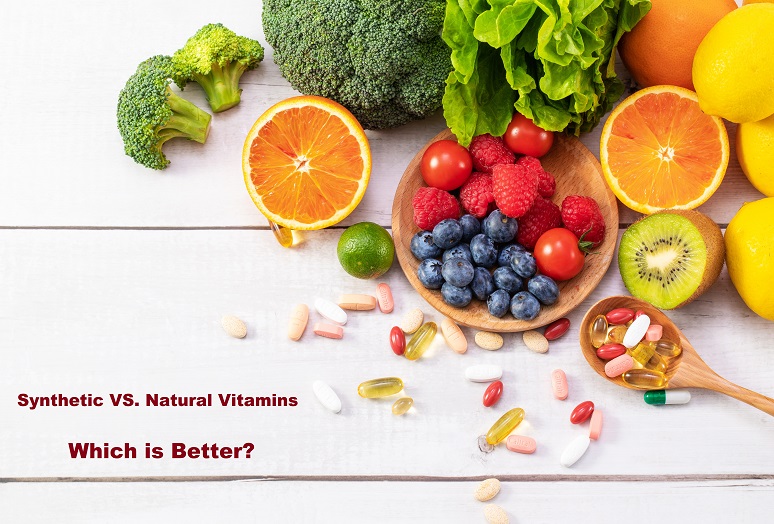
  5. Synthetic vs. Natural Vitamins: Which is Better

    Synthetic vs. Natural Vitamins: Which is Better

    Synthetic vs. Natural Vitamins: Which is Better?

    Vitamins are essential nutrients that our bodies need to function properly. They play a role in everything from energy metabolism to cell repair to immune function. While we can get most of the vitamins we need from a healthy diet, some people may need to take supplements to boost their intake.

    There are two main types of vitamins: synthetic and natural. Synthetic vitamins are created in a laboratory, while natural vitamins are found in foods. Both types of vitamins can be effective in meeting our nutritional needs, but there are some key differences between the two.

    Bioavailability

    One of the most important factors to consider when choosing between synthetic and natural vitamins is bioavailability. Bioavailability refers to how well a nutrient is absorbed and used by the body.

    In general, synthetic vitamins are less bioavailable than natural vitamins. This means that our bodies cannot absorb and use them as efficiently. However, there are some exceptions to this rule. For example, synthetic folic acid is more bioavailable than the natural form of folate, which is found in foods.

    Other nutrients

    Another difference between synthetic and natural vitamins is that natural vitamins often come with other beneficial nutrients, such as antioxidants and phytonutrients. These nutrients can work synergistically with the vitamins to enhance their effects.

    Synthetic vitamins, on the other hand, do not contain these other nutrients. This means that people who take synthetic vitamins may need to take additional supplements to get these important nutrients.

    Potential side effects

    Synthetic vitamins are also more likely to cause side effects than natural vitamins. This is because synthetic vitamins are often more potent than natural vitamins, and they may be in a form that is difficult for the body to process.

    Some of the potential side effects of synthetic vitamins include:

    • Nausea
    • Vomiting
    • Diarrhea
    • Constipation
    • Headache
    • Dizziness
    • Flushing
    • Skin rash

    Cost

    Natural vitamins are typically more expensive than synthetic vitamins. This is because they are more difficult to extract from foods and produce in a laboratory.

    Which type of vitamin is better?

    So, which type of vitamin is better? Synthetic or natural?

    The answer is that it depends. For some people, synthetic vitamins may be the best option. For example, people who are deficient in a specific vitamin, such as vitamin B12, may need to take a synthetic supplement to get enough of the nutrients.

    However, for most people, it is best to get their vitamins from food sources whenever possible. Eating a healthy diet that includes plenty of fruits, vegetables, and whole grains is the best way to ensure that you are getting all of the vitamins and other nutrients that your body needs.

    If you do choose to take a vitamin supplement, it is important to talk to your doctor first. They can help you determine which type of supplement is right for you and whether you need to take any additional supplements.


    Read more »
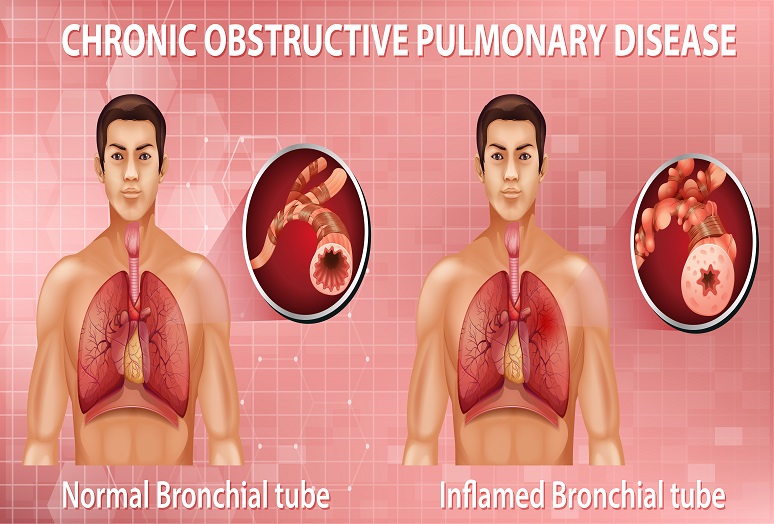
  6. Chronic Obstructive Pulmonary Disease (COPD): What You Need to Know

    Chronic Obstructive Pulmonary Disease (COPD): What You Need to Know

    Chronic obstructive pulmonary disease (COPD) is a lung disease that makes it difficult to breathe. It is caused by a narrowing of the airways in the lungs, which makes it harder for air to move in and out. COPD is a progressive disease, which means that it gets worse over time.

    The two main types of COPD are chronic bronchitis and emphysema. Chronic bronchitis is characterized by a persistent cough that produces mucus. Emphysema is characterized by damage to the air sacs in the lungs.

    COPD is a major cause of death worldwide. In the United States, it is the third leading cause of death, after heart disease and cancer.

    The main symptoms of COPD are:

    ·       Shortness of breath

    ·       Coughing

    ·       Wheezing

    ·       Sputum production

    The symptoms of COPD can get worse over time, and they can make it difficult to do everyday activities, such as walking, climbing stairs, or exercising.

    There is no cure for COPD, but there are treatments that can help to manage the symptoms and slow the progression of the disease. These treatments include:

    ·       Medications to open the airways

    ·       Rehabilitation programs to help you learn how to breathe more effectively

    ·       Oxygen therapy to help you get more oxygen into your blood

    ·       Surgery to remove damaged tissue in the lungs

    If you have COPD, it is important to quit smoking. Smoking is the main cause of COPD, and quitting can help to slow the progression of the disease.

    You should also avoid other things that can irritate your lungs, such as dust, fumes, and smoke.

    It is also important to get regular medical checkups. Your doctor can help you manage your symptoms and make sure that you are getting the right treatment.

    COPD can be a challenging disease to live with, but there are things you can do to manage your symptoms and improve your quality of life. By working with your doctor and taking care of yourself, you can live a long and active life with COPD.

    Here are some additional tips for living with COPD:

    ·       Get regular exercise. Exercise can help to improve your lung function and reduce your symptoms.

    ·       Eat a healthy diet. A healthy diet can help to reduce inflammation and improve your overall health.

    ·       Manage stress. Stress can worsen COPD symptoms. Find healthy ways to manage stress, such as yoga or meditation.

    ·       Get enough sleep. Sleep helps your body to heal and repair itself.

    ·       Stay positive. A positive attitude can help you to cope with COPD and live a full life.

    If you have COPD, there is help available. Talk to your doctor about what you can do to manage your symptoms and improve your quality of life.

    Read more »
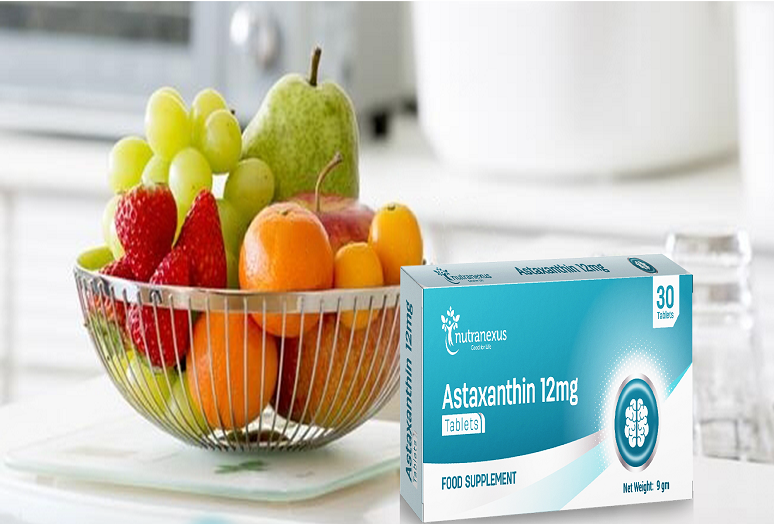
  7. Astaxanthin: The One Antioxidant You Need to Know About

    Astaxanthin: The One Antioxidant You Need to Know About

    Astaxanthin is a carotenoid that is found in certain algae and fish. It is a powerful antioxidant that has been shown to have a variety of health benefits, including reducing inflammation, protecting cells from damage, and improving heart health.

    Astaxanthin is a fat-soluble antioxidant, which means that it is absorbed into the body and can accumulate in the cells. This makes it more effective than water-soluble antioxidants, which are quickly excreted in the urine.

    Astaxanthin has been shown to have a variety of health benefits, including:

    • Reducing inflammation: Astaxanthin has been shown to be effective in reducing inflammation. It can help to reduce pain, swelling, and redness associated with inflammation.

    • Protecting cells from damage: Astaxanthin has antioxidant properties that can help to protect cells from damage caused by free radicals. Free radicals are unstable molecules that can damage cells and tissues, leading to diseases such as cancer and heart disease.

    • Improving heart health: Astaxanthin has been shown to improve heart health. It can help to reduce the risk of heart disease by lowering cholesterol levels and improving blood flow.

    • Improving brain health: Astaxanthin has been shown to improve brain health. It can help to improve memory, cognitive function, and mood.

    Conclusion: Astaxanthin is a powerful antioxidant that has a variety of health benefits. It can be taken as a supplement or found in certain foods, such as salmon and shrimp. If you are looking for a natural way to improve your health, consider adding astaxanthin to your diet.

    Read more »
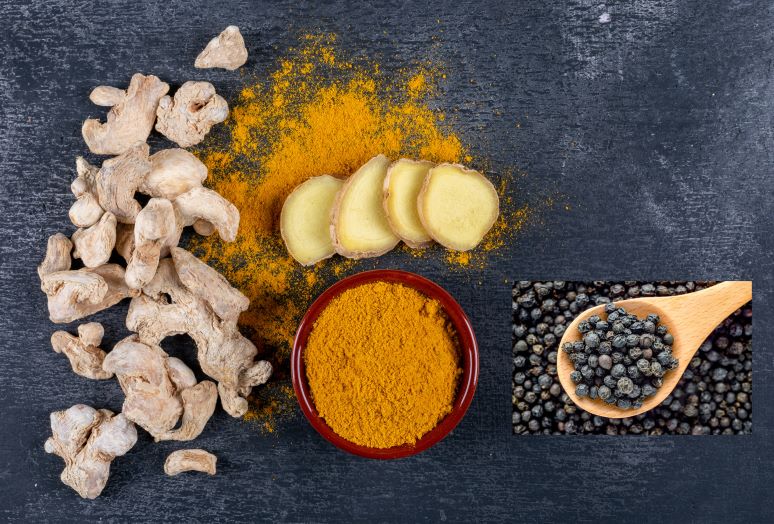
  8. Curcumin, Ginger, and Black Pepper Food Supplement: A Powerful Trio for Health

    Curcumin, Ginger, and Black Pepper Food Supplement: A Powerful Trio for Health

    Curcumin, ginger, and black pepper are three of the most well-known spices in the world. They have been used for centuries in traditional medicine for a variety of health benefits.

    Curcumin is the active ingredient in turmeric, and it has been shown to have anti-inflammatory, antioxidant, and neuroprotective properties. Ginger is a rhizome that has been shown to have anti-inflammatory, anti-nausea, and antioxidant properties. Black pepper is a spice that contains piperine, which has been shown to increase the absorption of curcumin.

    Curcumin, ginger, and black pepper have been shown to have a variety of health benefits, including

    Anti-inflammatory: Curcumin has been shown to be effective in reducing inflammation. It can help to reduce pain, swelling, and redness associated with inflammation.

    Antioxidant: Curcumin has antioxidant properties that can help to protect cells from damage caused by free radicals.

    Neuroprotective: Curcumin has neuroprotective properties that can help to protect the brain from damage caused by stroke, Alzheimer's disease, and Parkinson's disease.

    Anti-nausea: Ginger has been shown to be effective in reducing nausea. It can help to relieve nausea associated with pregnancy, motion sickness, and chemotherapy.

    Antioxidant: Ginger has antioxidant properties that can help to protect cells from damage caused by free radicals.

    Digestive health: Ginger can help to improve digestion. It can help to relieve indigestion, gas, and bloating.

    Circulation: Black pepper can help to improve circulation. It can help to reduce the risk of blood clots and improve the delivery of oxygen to the cells.

    Curcumin, ginger, and black pepper are a powerful trio of spices that can offer a variety of health benefits. They can help to reduce inflammation, protect cells from damage, and improve digestion and circulation. If you are looking for a natural way to improve your health, consider adding curcumin, ginger, and black pepper to your diet.

    Read more »
  9. The Importance of Sun Protection for Healthy Skin

    The Importance of Sun Protection for Healthy Skin

    The sun can be a great source of vitamin D, but it can also cause damage to the skin. Sun damage can lead to premature aging, dark spots, and even skin cancer. In this blog post, we will discuss the importance of sun protection for healthy skin.

    Protection from UV Rays - The sun emits two types of harmful UV rays, UVA and UVB. Both types can damage the skin, but UVA rays can penetrate deeper into the skin and cause long-term damage, while UVB rays are the main cause of sunburn. Sunscreen helps to protect the skin from both types of UV rays, preventing damage and reducing the risk of skin cancer.

    Prevents Premature Aging - Sun damage can cause premature aging, including wrinkles, fine lines, and dark spots. UV rays can break down collagen and elastin, which are essential for healthy, youthful-looking skin. By protecting your skin from the sun, you can help to prevent premature aging and maintain a more youthful appearance.

    Maintains Skin Health - Sun damage can also affect the health of your skin. It can cause inflammation, dehydration, and even damage to DNA. By using sunscreen and limiting your exposure to the sun, you can maintain the health of your skin and prevent a range of skin problems.

    Safe for All Skin Types - Sunscreen is safe for all skin types, including sensitive skin. There are many different types of sunscreen available, including mineral sunscreens that are gentle on the skin and chemical sunscreens that provide high-level protection.

    Easy to Use - Sunscreen is easy to use and can be incorporated into your daily routine. Choose a broad-spectrum sunscreen with an SPF of at least 30 and apply it to your face and body before going outside. Reapply every two hours or after swimming or sweating.

    In conclusion, sun protection is essential for healthy skin. By using sunscreen and limiting your exposure to the sun, you can protect your skin from damage, prevent premature aging, maintain skin health, and achieve a more youthful appearance. Incorporate sunscreen into your daily routine and enjoy the benefits of healthy, protected skin.


    Read more »
  10. Prebiotics and Probiotics: The Good and the Bad

    Prebiotics and Probiotics: The Good and the Bad

    Prebiotics and Probiotics: The Good and the Bad

    Prebiotics and probiotics are both important for gut health, but they can be confusing to understand. Here's a quick overview of what each is and how they work together:

    Prebiotics

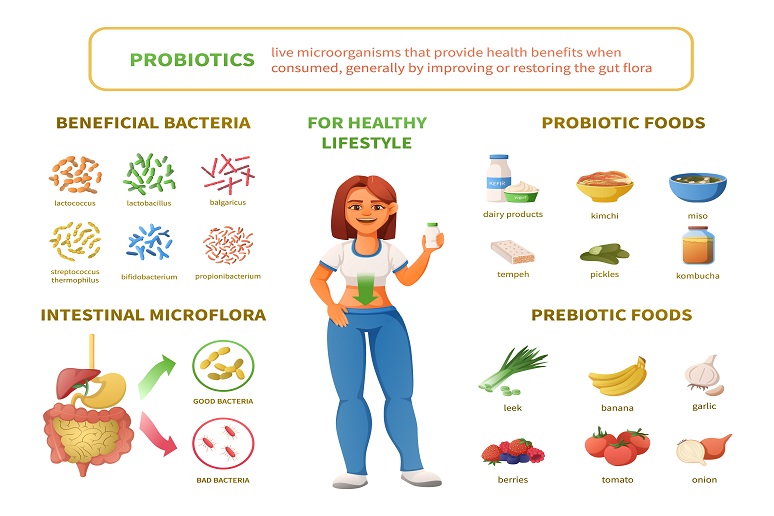
    Prebiotics are a type of fiber that are not digested by the body. Instead, they are fermented by beneficial bacteria in the gut, which helps to keep the gut healthy. Prebiotics are found in many foods, including fruits, vegetables, and whole grains.

    Probiotics

    Probiotics are live bacteria that are similar to the beneficial bacteria that are found naturally in the gut. When taken in supplement form, probiotics can help to restore the balance of good and bad bacteria in the gut, which can help to improve overall health. Probiotics are found in some foods, such as yogurt and kefir, but they are also available in supplement form.

    How Prebiotics and Probiotics Work Together

    Prebiotics and probiotics work together to keep the gut healthy. Prebiotics provide food for the beneficial bacteria in the gut, while probiotics help to restore the balance of good and bad bacteria. This can help to improve overall health, including digestion, immunity, and mood.

    The Benefits of Prebiotics and Probiotics

    Prebiotics and probiotics have many benefits, including Improved digestion: Prebiotics can help to keep the gut healthy and regular. Probiotics can help to restore the balance of good and bad bacteria in the gut, which can help to improve digestion. Boosted immunity: Prebiotics and probiotics can help to boost the immune system by helping to keep the gut healthy. A healthy gut is important for a strong immune system. Improved mood: Prebiotics and probiotics can help to improve mood by helping to keep the gut healthy. A healthy gut is important for mental health. Reduced inflammation: Prebiotics and probiotics can help to reduce inflammation by helping to keep the gut healthy. Inflammation is a major cause of many chronic diseases.

    How to Get Prebiotics and Probiotics

    There are many ways to get prebiotics and probiotics in your diet. Here are a few tips: Eat plenty of fruits, vegetables, and whole grains. These foods are high in prebiotics. Choose yogurt and kefir as your go-to dairy products. These foods are high in probiotics. Take a probiotic supplement. Probiotic supplements are available to buy on our website. Talk to Your Doctor before Taking Prebiotics or Probiotics supplements.

    If you are considering taking prebiotics or probiotics, it is important to talk to your doctor first. They can help you to choose the right supplements for you and make sure that they are safe for you to take.

    Read more »